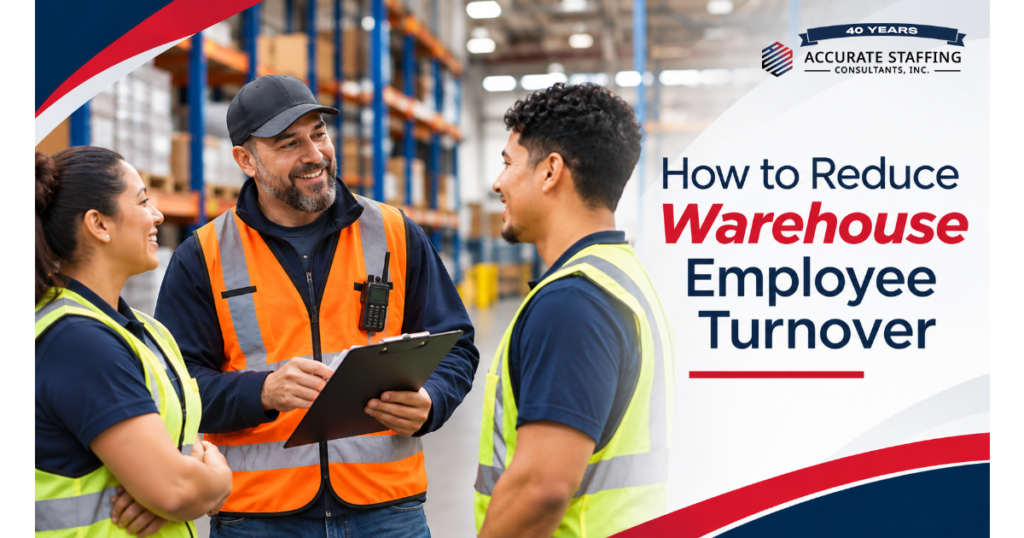
Employee Turnover in Warehouses: Why Workers Leave and How Employers Can Reduce It
Keeping a reliable warehouse team isn’t always easy. You spend time recruiting, interviewing, and training new employees, only to find yourself filling the same positions a few weeks later. Just when your team is getting comfortable with a new hire, that person leaves, and the hiring process starts all over again.
For warehouse and distribution center managers across North Carolina, South Carolina, and Georgia, employee turnover can become a frustrating cycle. It affects more than staffing numbers. It puts additional pressure on supervisors, increases workloads for existing employees, and makes it harder to keep daily operations running smoothly.
The good news is that warehouse employee turnover isn’t always unavoidable. Understanding why employees leave, improving the hiring experience, and creating a workplace where people want to stay can make a meaningful difference.
In this guide, we’ll explore the most common reasons warehouse employees quit, what turnover means for your business, and practical ways to improve employee retention.
The Real Cost of Employee Turnover in Warehouses
When a warehouse employee leaves, the first concern is usually finding someone to replace them. But the impact often goes much further than the cost of posting another job opening.
Think about what happens when an experienced warehouse associate suddenly leaves during a busy production week. Someone else has to cover their responsibilities, supervisors may need to adjust schedules, and other employees could end up working additional hours.
Meanwhile, a replacement needs to be recruited, trained, and given time to become familiar with the facility.
When this happens repeatedly, it can affect productivity, employee morale, and even customer satisfaction.
Some of the most common consequences of high warehouse turnover include:
-
Higher recruitment and training costs: Every replacement requires time and resources.
-
Reduced productivity: New employees need time to learn warehouse procedures and expectations.
-
Increased pressure on existing teams: Short-staffed shifts can lead to overtime, fatigue, and frustration.
-
More operational mistakes: Inexperienced employees may be more likely to make picking, packing, or inventory errors.
-
Lower employee morale: Constantly training new coworkers can become exhausting for experienced team members.
Over time, these challenges can make it harder to maintain the consistency that warehouse operations depend on.
For employers dealing with frequent staffing shortages, having access to qualified workers can help reduce the pressure on existing teams. Explore Accurate Staffing’s light industrial staffing solutions to learn how flexible hiring options can support warehouse and distribution operations.
Why Do Warehouse Employees Leave Their Jobs?
There’s rarely just one reason employees decide to leave a warehouse position. Sometimes it’s compensation. Other times, it’s the schedule, management style, or simply discovering that the job isn’t what they expected.
Understanding these reasons is an important first step toward building a more stable workforce.
1. Pay Doesn’t Match the Work
Warehouse jobs can be physically demanding. Depending on the position, employees may spend most of their shifts standing, lifting products, moving pallets, or working in fast-paced environments.
When employees feel their compensation doesn’t reflect the effort required, they may start looking for other opportunities.
This becomes especially challenging when nearby warehouses and distribution centers are competing for workers with similar experience.
Employers don’t necessarily need to offer the highest wages in the market, but they should understand what other companies are paying for comparable positions.
Regularly reviewing compensation and clearly communicating pay expectations during recruitment can help prevent misunderstandings.
2. The Job Isn’t What Employees Expected
Imagine accepting a warehouse position advertised as a standard eight-hour shift, only to discover that overtime is frequently required and weekend availability is expected.
Even if the employee is capable of doing the work, that difference between expectations and reality can quickly lead to frustration.
This is why clear job descriptions matter.
Before hiring, employers should explain important details such as:
-
Shift schedules and overtime expectations.
-
Physical requirements, including lifting and standing.
-
Equipment employees will use.
-
Daily responsibilities and productivity expectations.
-
Required experience, training, or certifications.
For example, hiring a pallet jack operator involves more than finding someone who can move materials. Employers should also consider equipment experience, safety awareness, and familiarity with warehouse workflows.
Being transparent about these requirements helps candidates decide whether the position is a good fit before accepting an offer.
3. Poor Communication With Supervisors
A good supervisor can make a difficult shift feel manageable. A poor one can make even a good job frustrating.
Warehouse employees want to know what’s expected of them, who they can turn to with questions, and whether their concerns will be taken seriously.
When communication is limited to correcting mistakes or pushing productivity targets, employees may begin to feel undervalued.
Supervisors play an important role in creating a positive work environment. Simple actions, such as checking in with new hires, recognizing good performance, and addressing concerns early, can improve the employee experience.
Companies should also make sure supervisors receive the support and training they need to manage people effectively.
If your facility needs experienced operational leadership, explore the site supervisor and skilled workforce positions supported by Accurate Staffing.
4. Limited Opportunities for Career Growth
Not every warehouse employee expects to become a manager. However, most people want to feel that their work can lead somewhere.
An employee who spends years performing the same tasks without opportunities to develop new skills may eventually look for a position that offers more.
Career development in warehouse environments can take different forms, including:
-
Learning to operate additional warehouse equipment.
-
Receiving training for forklift or pallet jack operation.
-
Moving into inventory management or quality control.
-
Taking on team lead responsibilities.
-
Transitioning from a temporary assignment into a permanent position.
Even small opportunities for professional development can give employees a reason to stay.
For example, someone who starts in a general warehouse position may eventually be interested in becoming a forklift operator or exploring a machine operator role.
Showing employees that these opportunities exist can help them see a future with the company.
5. Unpredictable Schedules and Excessive Overtime
Warehouse operations often depend on changing production demands, shipping deadlines, and seasonal activity.
While some scheduling flexibility is necessary, constantly changing shifts can make it difficult for employees to manage responsibilities outside of work.
Last-minute overtime, unexpected weekend shifts, or inconsistent hours can become especially challenging for workers managing childcare, transportation, or other commitments.
Whenever possible, employers should communicate schedules in advance and give employees enough notice when changes are necessary.
Maintaining adequate staffing levels can also reduce the need to rely on the same employees for repeated overtime.
Need additional warehouse employees during busy production periods? Request an employee from Accurate Staffing and explore staffing options that can help your team manage changing workforce demands.
How to Reduce Employee Turnover in Your Warehouse
Understanding why employees leave is important, but the next step is making changes that encourage them to stay.
Reducing warehouse turnover doesn’t always require a complete overhaul of your hiring process. Often, a few practical improvements can make the workplace more consistent and supportive.
Start by Understanding When Employees Leave
Before making changes, take a closer look at your employee turnover patterns.
Are most employees leaving during their first two weeks? Do they tend to leave after several months? Is turnover higher on a particular shift?
These details can help you identify where improvements are needed.
For example, frequent resignations during the first month may suggest problems with recruitment, job expectations, or onboarding.
Employees leaving after six months may have different concerns, such as compensation, scheduling, or limited advancement opportunities.
Reviewing these patterns gives employers a better starting point than assuming every employee leaves for the same reason.
Make the Hiring Process More Transparent
A successful hiring process isn’t just about filling an open position quickly. It’s about helping the right person understand the job and feel confident accepting it.
Clear communication should begin with the job posting and continue throughout interviews and onboarding.
Be specific about responsibilities, schedules, work conditions, and the skills needed to succeed.
It’s also helpful to ask candidates about their previous warehouse experience and the type of environment where they feel most comfortable.
Someone with experience in a smaller warehouse may need additional preparation before joining a high-volume distribution center.
Taking the time to understand these differences can lead to better hiring decisions.
For employers hiring specialized production workers, the same approach applies. Learn more about machine operator staffing and the qualifications employers should consider.
Give New Employees a Better First Week
The first few days at a new job can influence how employees feel about staying.
Imagine arriving for your first warehouse shift without knowing where to report, who your supervisor is, or what you’re expected to accomplish.
Even an experienced employee may feel uncomfortable in that situation.
A structured onboarding process can help new hires feel more prepared and supported.
Consider including:
-
A clear introduction to the facility, team, and supervisor.
-
Safety training and an explanation of warehouse procedures.
-
Hands-on instruction for daily responsibilities.
-
A designated coworker who can answer questions.
-
Regular check-ins during the first week and first month.
The goal isn’t to overwhelm new employees with information. It’s to help them feel comfortable asking questions and learning their responsibilities.
Support the Supervisors Managing Your Team
Warehouse supervisors are often responsible for meeting productivity goals, maintaining safety standards, managing schedules, and helping employees solve problems.
When they’re stretched too thin, employee communication and development may receive less attention.
Giving supervisors the tools and time to support their teams can improve the overall work environment.
This might include leadership training, clearer communication procedures, or additional operational support during busy periods.
Employers should also encourage supervisors to recognize employee achievements and address workplace concerns before they become larger problems.
Offer Opportunities to Learn and Grow
Employees are more likely to consider staying when they can see opportunities to develop their careers.
For warehouse employers, this doesn’t necessarily mean creating new management positions.
Cross-training employees, offering equipment training, and recognizing additional responsibilities can all contribute to professional growth.
For example, a warehouse associate who learns inventory procedures or develops equipment-operating skills may become more valuable to the company while gaining experience that supports their career.
Employers can also explore temp-to-hire arrangements when they want to evaluate candidates before making permanent hiring decisions.
Accurate Staffing offers temporary, temp-to-hire, and direct-hire staffing solutions for businesses looking to build dependable teams.
Review Employee Feedback Regularly
One of the simplest ways to understand employee concerns is to ask.
You don’t need a complicated survey or a formal meeting every time. Sometimes a short conversation can reveal issues that management hasn’t noticed.
Ask employees how they’re adjusting to the role, whether they have the tools they need, and what could make their work easier.
For new hires, consider scheduling conversations after their first week and first month.
These check-ins create opportunities to address concerns while employees are still settling into the position.
Most importantly, make sure feedback leads to action whenever possible.
Common Warehouse Hiring Mistakes That Can Increase Turnover
Even employers with good intentions can develop hiring habits that make employee retention more difficult.
Here are some mistakes worth watching for.
Hiring too quickly without evaluating job fit. When a warehouse is short-staffed, filling an opening immediately can feel like the priority. However, hiring someone who isn’t prepared for the responsibilities may lead to another vacancy shortly afterward.
Overlooking the onboarding process. Previous warehouse experience doesn’t mean someone automatically understands your facility’s procedures, equipment, or expectations.
Focusing only on compensation. Competitive pay matters, but employees also consider their schedules, supervisors, workplace conditions, and opportunities for growth.
Ignoring recurring concerns. If several employees mention the same problem, it’s worth investigating rather than treating each complaint as an isolated issue.
Failing to explain temporary-to-permanent opportunities. When employees don’t understand whether a temporary position could lead to long-term employment, they may continue searching for other jobs.
Addressing these issues can help employers create a more consistent hiring experience and improve their chances of retaining qualified workers.
Frequently Asked Questions About Warehouse Employee Turnover
What causes high employee turnover in warehouses?
-
Warehouse employees may leave because of compensation, demanding physical work, unpredictable schedules, limited advancement opportunities, or poor communication with supervisors. Another common issue is discovering that the actual responsibilities differ from what was explained during recruitment.
How can warehouse managers improve employee retention?
-
Start by reviewing why employees leave and identifying recurring concerns. Clear job descriptions, competitive compensation, consistent scheduling, supportive supervisors, and better onboarding can all help create a workplace where employees are more likely to stay.
Does offering higher pay reduce warehouse turnover?
-
Higher pay can help, particularly when nearby employers offer better compensation for similar work. However, wages alone may not solve issues related to management, scheduling, workplace expectations, or employee development.
Why is onboarding important for warehouse employees?
-
Onboarding helps new employees understand safety procedures, daily responsibilities, productivity expectations, and workplace processes. It also gives them an opportunity to ask questions and build confidence before working independently.
Can temporary staffing help reduce warehouse turnover?
-
Temporary and temp-to-hire staffing can help employers manage workforce demands while evaluating whether candidates are a good fit for their operations. Clear expectations, appropriate screening, and a supportive onboarding experience remain important for successful placements.
How can a staffing agency help warehouse employers find reliable workers?
-
A staffing agency can support recruiting, candidate screening, and job matching based on the employer’s specific requirements. Accurate Staffing works with businesses to understand their workforce needs and connect them with candidates for industrial and warehouse-related positions.
What should employers look for when hiring warehouse workers?
-
Employers should consider relevant work experience, reliability, safety awareness, physical job requirements, equipment knowledge, and schedule availability. The qualifications will vary depending on whether the position involves picking, packing, material handling, forklift operation, or other warehouse responsibilities.
Build a Warehouse Team That Wants to Stay
Employee turnover is a challenge that many warehouse and distribution center managers know well. But constantly replacing employees doesn’t have to become a normal part of running your operation.
Taking a closer look at why people leave, improving communication during recruitment, and supporting employees from their first day can help create a more stable workforce.
It also helps to remember that retention starts before an employee is hired. When candidates understand the position, supervisors are prepared to support them, and employers make thoughtful hiring decisions, everyone has a better chance of succeeding.
At Accurate Staffing, we understand how important dependable employees are to keeping warehouse operations moving. Our recruiting team helps employers find qualified industrial workers while offering flexible staffing options based on their business needs.
Looking for a more reliable warehouse workforce?
Whether you’re dealing with recurring vacancies, preparing for a busy season, or looking to strengthen your existing team, Accurate Staffing can help you explore your hiring options.
Request an Employee to connect with our recruiting team, or Contact Accurate Staffing to discuss your workforce challenges.